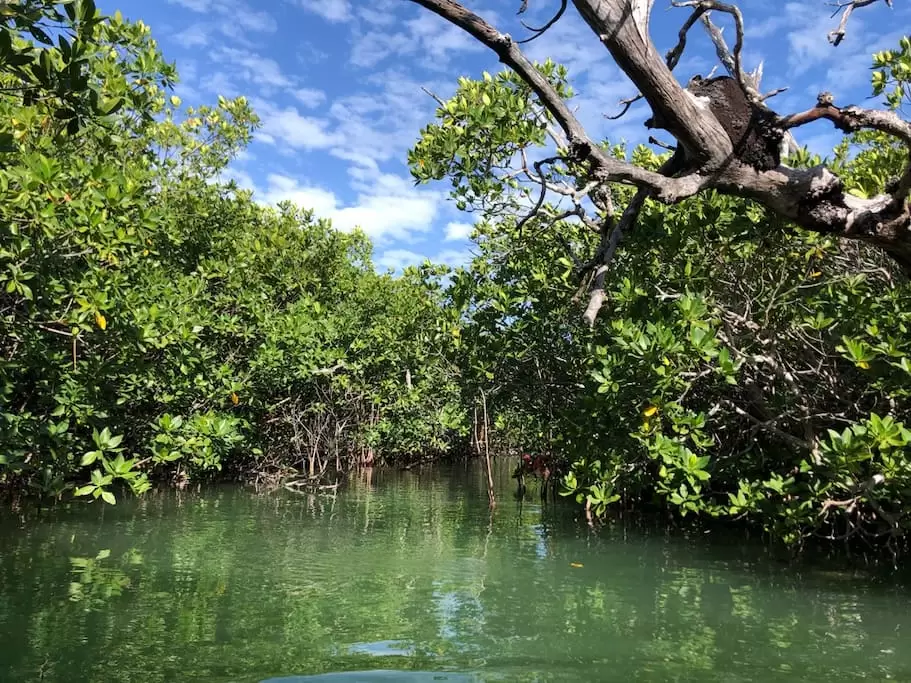
Mangrove Tunnel Channels
Early morning for soft lighting
Capture the narrow passages where canopy trees create symmetrical reflections on the water surface.

The Jungle Tour through Nichupte Lagoon presents distinct photography challenges: high-speed navigation through narrow mangrove channels, harsh midday Caribbean light, and underwater snorkeling segments at Punta Nizuc reef. This guide identifies the moments worth capturing and the practical adjustments that make them possible.
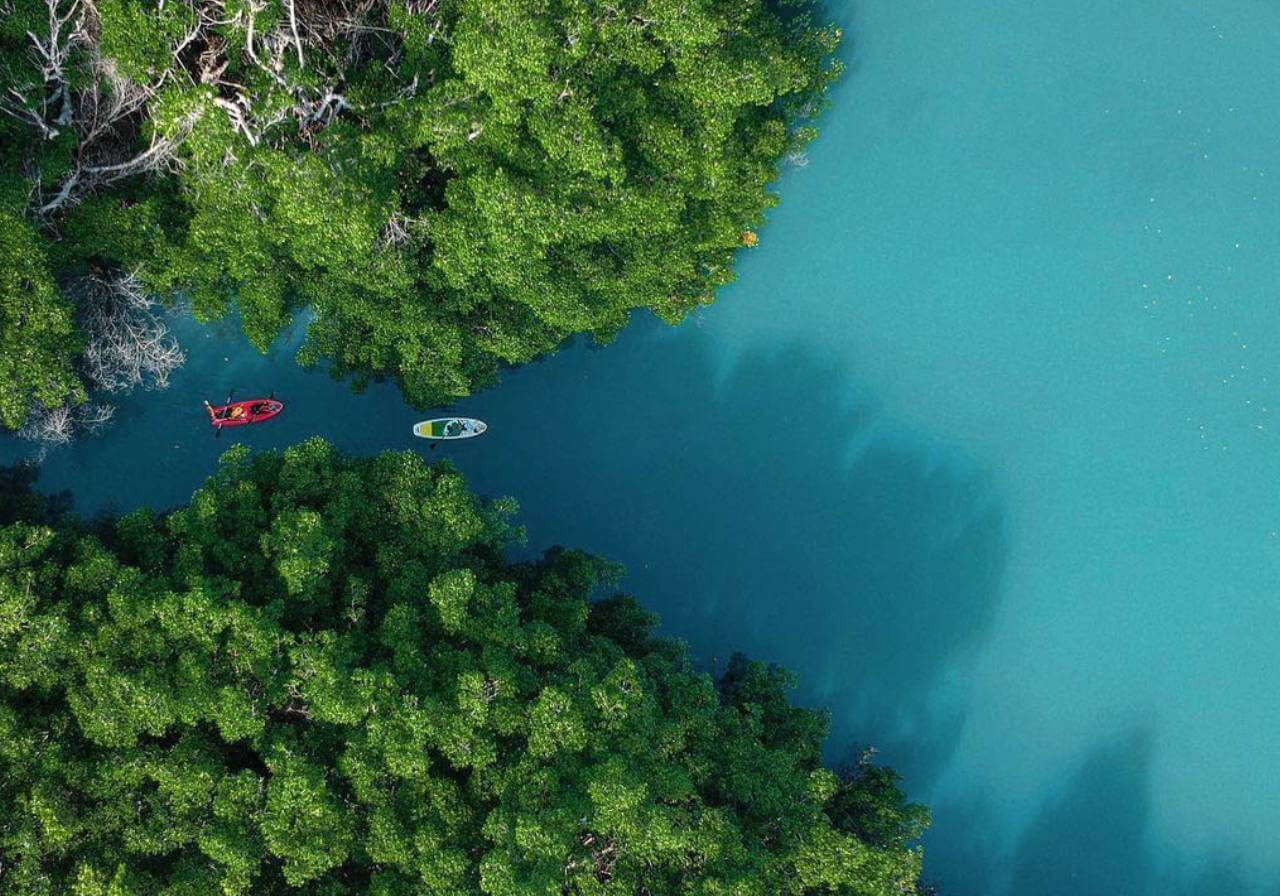
Quick answer
Jungle Tour Cancun photos work best when you anticipate three distinct environments: open-water speedboat segments favor action shots with spray and horizon, mangrove channels require faster shutter speeds to counter motion blur in low-contrast shade, and snorkeling at Punta Nizuc demands waterproof housing or a reliable waterproof case rated to at least three meters. Morning departures between 9:00 and 11:00 provide softer light and calmer water, reducing glare on both lagoon surface and reef.
The jungle tour route through Nichupte Lagoon covers fourteen kilometers of contrasting terrain, and each segment rewards different photographic approaches. Speedboats depart from Boulevard Kukulcan marina and accelerate across open lagoon before threading into the mangrove labyrinth that gives the tour its name. Wide-angle lenses capture the mangrove canopy arching overhead, but the tunnel effect compresses quickly at speedboat pace. Set your shutter to at least 1/500 to freeze motion through tight bends. The tannic water reflects little light under the canopy, so raising ISO to 800 or 1600 maintains exposure without motion blur. GoPro mounts work well here if you want continuous footage, but handheld shots from the bow deliver more compositional control during the brief clearings where sunlight breaks through. Punta Nizuc marks the tour's snorkeling segment, roughly thirty minutes in shallow reef water where coral formations rise within two meters of the surface. Smartphone waterproof cases handle the depth, but test the seal before departure—the twenty-dollar dock fee does not cover equipment replacement. Underwater visibility averages ten to fifteen meters on calm mornings, declining as wind picks up after midday. Sergeant majors, parrotfish, and occasional green sea turtles frequent the site. Capture them during the first ten minutes in the water, before suspended sediment from other swimmers reduces contrast. Action shots during the return crossing benefit from burst mode and a neck strap; choppy water and spray make one-handed shooting unreliable. The Hotel Zone skyline provides a recognizable backdrop, but shoot with the sun behind you to avoid silhouetting your subject against glare. Jungle tour cancun photos that include both speedboat and mangrove context require a second shooter or a mounted camera, since the driver maintains a pace incompatible with compositional adjustments. Most operators allow brief stops for photography if you request it during boarding, adding five to ten minutes to the standard two-hour route.
“The mangrove canopy compresses quickly at speedboat pace—shutter speeds below 1/500 turn green tunnels into motion blur.”
Early morning for soft lighting
Capture the narrow passages where canopy trees create symmetrical reflections on the water surface.
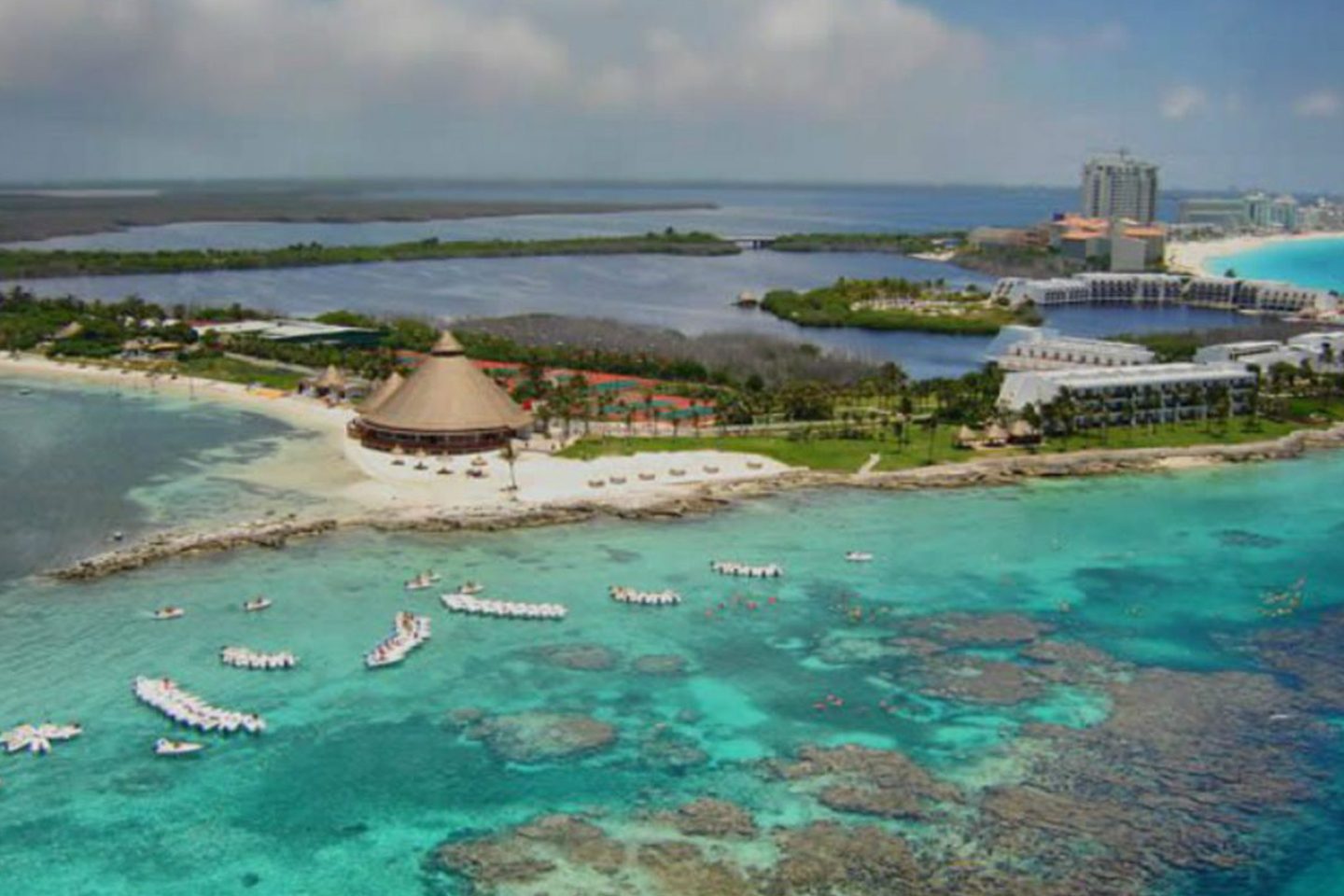
Mid-morning for clear water visibility
This vantage point offers a sharp contrast between the shallow lagoon waters and the deep blue Caribbean horizon.
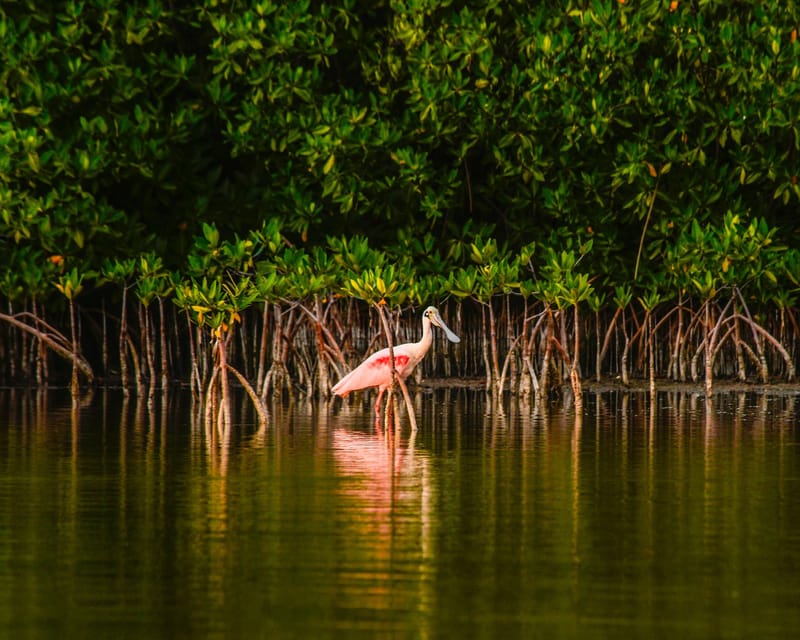
Early morning for wildlife activity
Focus on telephoto shots of local birds or iguanas perched on mangrove roots along the shoreline.
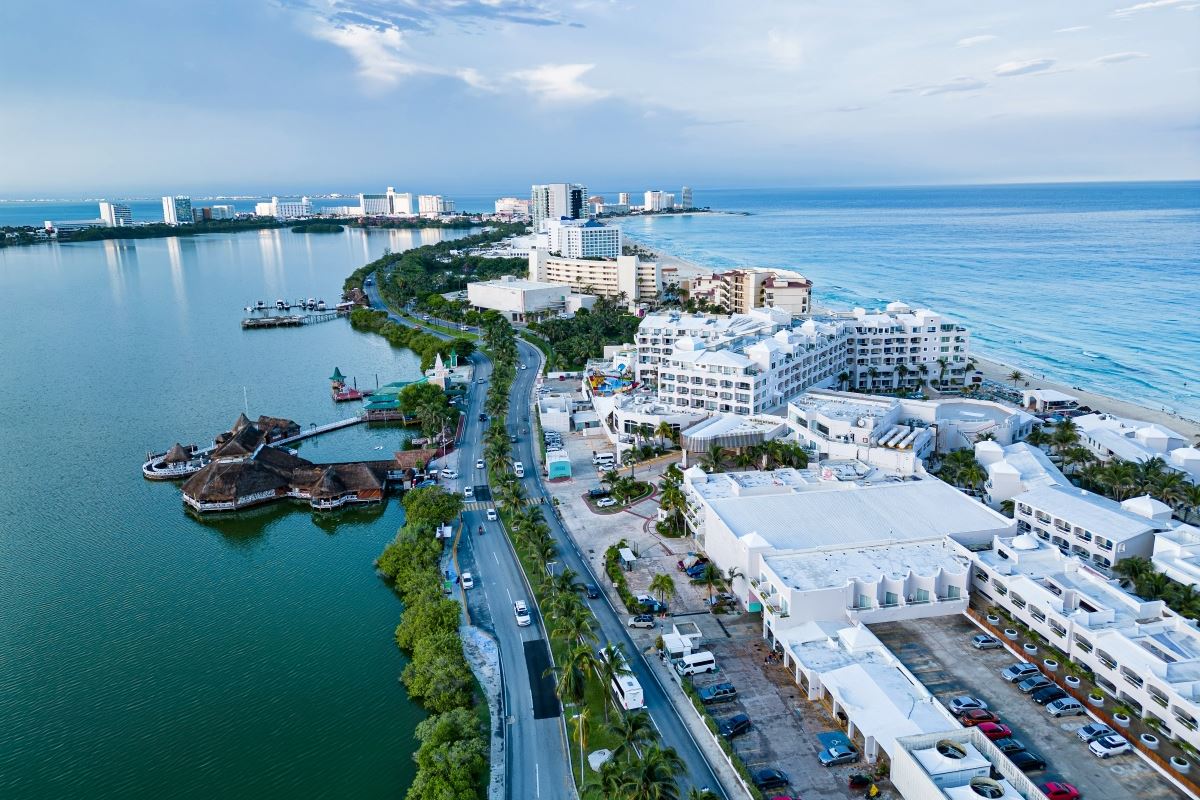
Late morning for skyline clarity
Position your camera to capture the wide expanse of the Nichupte Lagoon with the Hotel Zone skyline in the background.
The best arrival window is 09:00–11:00, as morning hours offer cooler temperatures, calmer water, and better wildlife activity for photography. These conditions reduce glare and motion blur, resulting in clearer images of the Nichupte Lagoon ecosystem.
—
Minimal boat traffic creates calm water surfaces ideal for reflections.
Mild, 22°C to 26°C
Dryer air provides better visibility and higher contrast for landscape shots.
Warm, 26°C to 30°C
Increased light intensity helps maintain faster shutter speeds for action shots of the speedboats.
Humid, 27°C to 32°C
Early morning visits avoid peak afternoon heat and frequent seasonal rain showers.
Verdict: For optimal photographic conditions, plan your arrival between 09:00 and 11:00 during the drier months of November through February.
The Jungle Tour in Nichupte Lagoon operates daily, providing a consistent schedule for those planning their photography sessions.
The marinas providing access to the Nichupte Lagoon are located along Boulevard Kukulcan in the heart of the Zona Hotelera. The most efficient way to reach these departure points is by taxi or public bus, as they provide direct access to the main hotel zone strip.
R1 or R2 bus line to Zona Hotelera
Direct to Boulevard Kukulcan
Boulevard Kukulcan, Zona Hotelera, 77500 Cancún
Plan your travel to reach the marina well before your scheduled departure. Early arrival ensures you have sufficient time to check in, receive your safety briefing, and secure your camera gear before boarding the speedboats.
Everything you need to know about jungle tour cancun photos
To capture quality jungle tour Cancun photos, bring a waterproof camera or a protective housing for your smartphone. Secure your gear with a wrist strap, as the ride through the mangrove channels can involve splashes.
Yes, a waterproof camera is ideal for your Cancun speed boat tour as it protects your equipment from salt spray and humidity. It allows you to focus on the scenery while navigating the winding waterways.
The best time for jungle tour Cancun photos is between 09:00 and 11:00. These morning hours offer calmer water and better wildlife activity for your portfolio.
Most operators allow stops at scenic points in the Nichupte Lagoon, providing excellent opportunities for jungle tour Cancun photos. Your guide will indicate safe spots to pause and document the lush vegetation and local fauna.
Yes, there is an entrance fee of 20 USD per person for the dock and marine park conservation. This fee is payable in cash at the marina upon arrival.
Children are typically welcome on this excursion, though they must adhere to safety requirements. It is a great way to introduce younger travelers to the ecosystem while collecting memories.